Christina: A Script Font for Designs That Need Soul
In a world saturated with digital precision, there's a growing hunger for authenticity. We crave the imperfect, the personal, the human touch. That's precisely where Christina, a stylish and incredibly elegant script font, finds its purpose. It’s not just another typeface in your library; it’s a design asset that carries a distinct personality, one that can elevate a project from simply good to genuinely memorable.
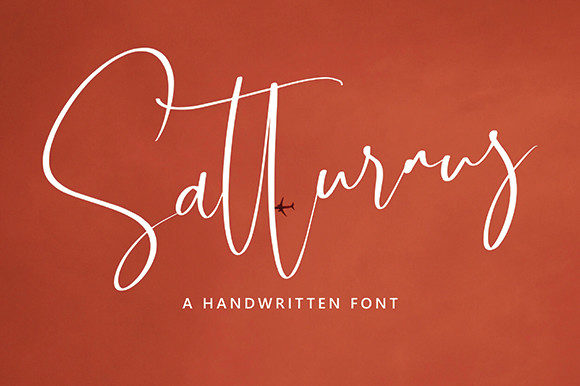
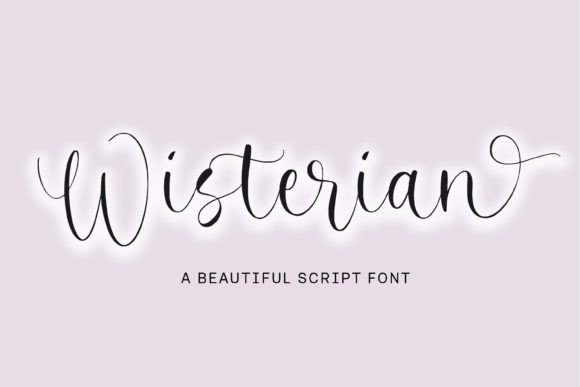
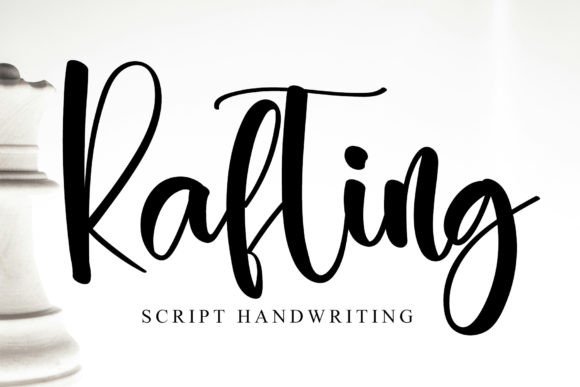
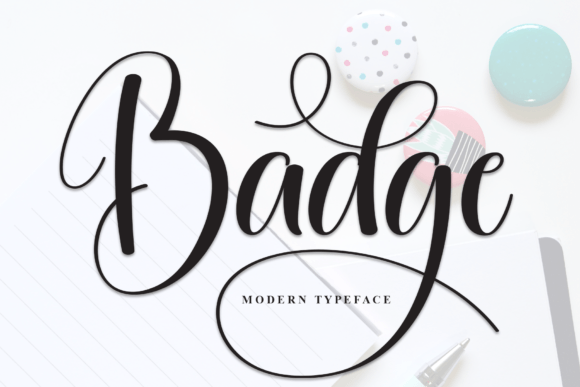
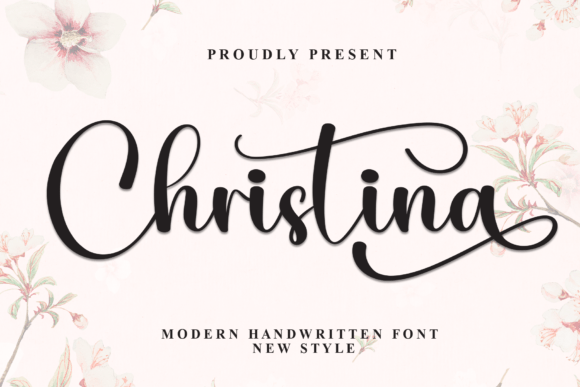
Christina is what designers often call a premium font for a reason. Its flowing, connected letterforms mimic the natural rhythm of a skilled calligrapher's hand. You’ll notice subtle variations in the stroke weight and delicate, graceful swashes that add movement and life to the text. This isn't a rigid, mechanical script. It has a warmth and sophistication that feels both modern and timeless, making it a versatile creative font for a wide array of applications. Its personality is elegant yet approachable, romantic without being overly fussy, and classic while still feeling fresh.
Where Christina Truly Shines: Practical Applications
Understanding a font's character is one thing; knowing where to deploy it is where the real strategy comes in. Christina excels in situations where you need to make a personal connection or convey a sense of premium quality.
For brand identity, particularly for small businesses, boutiques, wedding planners, or artisan product lines, Christina can be the cornerstone of a logo design. Imagine it used for a boutique hotel's logo, a florist's branding, or a high-end bakery's signature mark. Paired with a clean, geometric sans serif font for body text, it creates a beautiful contrast that feels both professional and personal. It immediately signals a brand that values elegance and attention to detail.
In editorial design and packaging design, its impact is significant. Use Christina for pull quotes in a magazine layout, chapter titles in a coffee table book, or as the hero text on a product label for a gourmet sauce or artisan candle. Its legibility at larger sizes makes it perfect for headlines and callouts, where it can inject personality without sacrificing clarity. For web design, it can be a stunning choice for a hero section headline or a special announcement banner, instantly setting a sophisticated tone for the entire site.
The Art of Pairing and Practical Considerations
Christina's strength lies in its ability to be the star of the show. As a display font, its primary role is to attract attention and convey mood in headlines, titles, and short phrases. Therefore, the most critical step in using it effectively is choosing the right partner. A robust serif font like Garamond or a neutral sans serif font like Montserrat or Open Sans provides a stable, readable foundation that allows Christina's elegance to pop without overwhelming the reader.
When evaluating if Christina is the right fit for your project, consider the context. For long-form body text in a book or on a website, it would be challenging to read. Its strength is in short bursts of impactful text. Test it at the size you intend to use it. Review the full character set—does it include the special ligatures and alternate swashes you need? This is where a premium font often justifies its value, offering more stylistic options.
Finally, always check the licensing. Most fonts like Christina come with clear terms for commercial use, but it's crucial to ensure the license covers your specific project, whether it's for a client's logo, a line of social media graphics, or packaging design for a product you sell. Using a properly licensed commercial font is a non-negotiable part of professional design work, ensuring your project is both beautiful and legally sound.
In essence, Christina is more than just a handwritten font. It's a tool for storytelling. Used thoughtfully, it can transform wedding invitations, thank you cards, and greeting cards into keepsakes. It can make business cards and logos unforgettable. In the hands of a designer, marketer, or crafter who understands its personality, it becomes a powerful element in creating designs that don't just look good—they feel right.